

Ashwagandha has earned its reputation as one of the most researched adaptogens in modern supplement science.
Known botanically as withania somnifera and sometimes called indian ginseng or winter cherry, this shrub has been central to ayurvedic medicine for thousands of years.
Not as a generic wellness herb, but specifically as a “rasayana,” a rejuvenating compound used to strengthen the mind, nerves, and vitality.
Native to India, the Middle East, and parts of Africa, ashwagandha has moved from traditional medical system protocols into mainstream dietary supplements.
Most modern formulations use standardized ashwagandha root extract, which concentrates the bioactive compounds responsible for its effects on stress, cognition, and brain health.
This guide focuses specifically on ashwagandha’s nootropic benefits.
How it supports cognitive function, focus, memory, and mental performance.
Alongside its well-documented effects on stress, anxiety, and sleep. We won’t cover every claimed use.
Instead, we’ll walk through the clinical evidence in plain language, with realistic expectations: modest but meaningful improvements in stress and cognitive performance, not miracle transformations.
Performance Lab formulates ashwagandha as part of science-backed, clean-label brain and stress-support stacks, designed to work synergistically with other nutrients rather than as a standalone cure-all.
Page Contents
Introduction to Ashwagandha
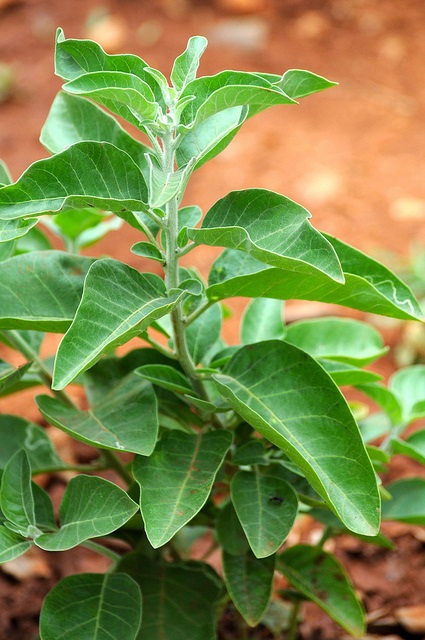
Ashwagandha, often referred to as Indian ginseng or by its botanical name Withania somnifera, is a cornerstone of Ayurvedic medicine and has been valued for centuries as a powerful herbal supplement for promoting overall health.
Traditionally, ashwagandha root extract has been used to help the body adapt to stress, support mood and anxiety treatments, and enhance sleep quality.
Today, ashwagandha is widely available as a dietary supplement, with modern research highlighting its potential to reduce stress, improve sleep, and support overall well-being.
The health benefits of ashwagandha are attributed to its unique ability to modulate stress hormones and support the body’s natural resilience.
As a herbal supplement, it is commonly used to help manage anxiety, promote relaxation, and improve sleep.
Making it a popular choice for those seeking natural anxiety treatments. Whether taken as ashwagandha root powder, capsules, or standardized extracts, this adaptogenic herb continues to gain recognition for its role in supporting mood, reducing stress, and contributing to overall health.
How Withania somnifera (Ashwagandha) Works in the Brain (Nootropic Mechanisms)
Understanding why ashwagandha qualifies as a nootropic requires a quick look under the hood.
This section provides a high-level overview of how this herbal supplement may act as both a cognitive enhancer and neuroprotective compound.
- Modulating GABAergic signaling (the brain’s primary calming neurotransmitter system). This mechanism is thought to underlie ashwagandha’s ability to reduce anxiety, as supported by clinical research.
Withanolides and Active Constituents
The primary bioactive compounds in ashwagandha are steroidal lactones called withanolides, particularly withaferin A and withanolide A.
These phytochemicals drive most of the herb’s therapeutic effects, including:
- Modulating GABAergic signaling (the brain’s primary calming neurotransmitter system)
- Reducing neuroinflammation through anti-inflammatory pathways
- Supporting antioxidant defenses in brain tissue
When you see “standardized to 5% withanolides” on a supplement label, it means the extract has been concentrated to deliver consistent levels of these active compounds.
HPA Axis and Cortisol Regulation
One of ashwagandha’s most important mechanisms involves the hypothalamic-pituitary-adrenal (HPA) axis—your body’s central stress command system.
Chronic stress keeps this system hyperactive, flooding your body with cortisol, the primary stress hormone.
Multiple clinical trials show ashwagandha can reduce morning cortisol levels significantly after consistent supplementation. Lower cortisol translates to:
- Sharper thinking under pressure
- Better working memory performance
- Reduced mental fatigue during demanding tasks
This is why modulating stress hormones sits at the core of ashwagandha’s nootropic profile.
Antioxidant and Anti-Inflammatory Effects
Preclinical research reveals ashwagandha’s capacity to protect brain tissue from oxidative stress and excitotoxic damage. Animal and cell studies show it can:
- Boost levels of glutathione, superoxide dismutase, and catalase (key antioxidant enzymes)
- Reduce pro-inflammatory cytokines like TNF-α, IL-1β, and IL-6 in neural tissue
- Lower nitric oxide and lipid peroxidation that damage neurons
These effects are particularly relevant for long-term brain health, as chronic neuroinflammation contributes to cognitive decline.
Neurogenesis and Synaptic Plasticity
Perhaps most intriguing for nootropic enthusiasts: animal research suggests ashwagandha may support neurogenesis, the growth of new neurons and enhance synaptic plasticity.
Studies in rodents show enhanced dendrite and axon growth in the hippocampus, the brain’s memory hub, alongside elevated brain-derived neurotrophic factor (BDNF) levels.
BDNF acts as fertilizer for neurons, promoting their survival and strengthening connections essential for learning and cognitive adaptability.
Important caveat: While mechanistic data are promising, most nootropic claims still rely on small-to-medium human trials combined with preclinical work. The evidence warrants cautious optimism, not sensational claims.
Ashwagandha for Cognitive Function and Mental Performance

Cognitive enhancement is a primary reason many healthy adults turn to ashwagandha. Whether you’re pushing through complex projects, preparing for exams, or simply want clearer thinking under daily stress, the research offers encouraging signals.
What the Human Trials Show
Several randomized controlled trial studies have examined ashwagandha’s effects on cognition in healthy but stressed adults:
| Study Characteristic | Typical Finding |
|---|---|
| Dosage | 300–600 mg/day of ashwagandha root extract |
| Duration | 8–12 weeks |
| Cognitive Outcomes | Improved immediate memory, general memory, attention, and information-processing speed |
| Population | Healthy adults with mild stress or cognitive complaints |
In one notable placebo controlled study, significant cognitive enhancements emerged within two weeks and continued building over eight weeks. Participants taking ashwagandha extract showed better scores on validated cognitive assessments compared to placebo groups.
A safety trial in 60 bipolar disorder patients who often experience cognitive comorbidities, also affirmed cognitive benefits without major disruptions.
The Stress-Cognition Connection
Here’s a key insight: cognitive benefits often appear alongside reductions in perceived stress and fatigue.
This suggests ashwagandha works through both indirect pathways (less stress → better cognition) and potentially direct neurocognitive effects.
When your body respond to chronic stress with elevated cortisol, your prefrontal cortex. The brain region handling executive function and decision-making takes a hit. By normalizing the stress response, ashwagandha may clear the neurochemical fog that impairs focus.
Stacking with Other Nootropics
Ashwagandha can complement classic nootropics like citicoline, L-tyrosine, and phosphatidylserine by stabilizing mood and stress physiology.
This makes stimulant-free stacks feel smoother and more sustainable.
Think of it this way: while compounds like L-tyrosine support dopamine synthesis for motivation, ashwagandha prevents stress from depleting those same neurotransmitter systems. Performance Lab designs multi-ingredient formulas with this synergy in mind.
Realistic use cases:
- Knowledge workers managing complex, deadline-driven projects
- Students preparing for exams or intensive study periods
- High-performers who want calmer focus, not “wired” stimulation
- Anyone seeking cognitive support without the crash of caffeine or other stimulants
Focus, Attention, and Working Memory
Zooming in on attention-related outcomes, small placebo controlled trial studies report improvements in:
- Selective attention: Ability to focus on relevant information while filtering distractions
- Sustained attention: Maintaining concentration over extended periods
- Working memory: Holding and manipulating information in mind (essential for complex reasoning)
Typical time to noticeable benefit ranges from 4–12 weeks of consistent use.
What does this look like practically?
Consider a software developer who usually hits a mental wall around 3 PM. With calmer baseline physiology, lower cortisol, fewer intrusive worries.
They might maintain productive coding sessions for longer stretches, with less mental “tab-switching” fatigue.
Or a student who typically reads the same paragraph four times before information sticks.
With improved working memory capacity, comprehension might come faster, leaving more mental energy for higher-level synthesis.
Mood, Motivation, and Mental Energy
It’s easier to think clearly when you feel balanced rather than burnt out. Mood and motivation directly influence cognitive performance and ashwagandha impacts both.
Several clinical trials report reductions in perceived fatigue and improvements in subjective vitality in adults taking 300–600 mg/day of ashwagandha extract. This translates to:
- More “get started” energy for demanding tasks
- Less procrastination and avoidance behavior
- Better follow-through on cognitively challenging work
Performance Lab combines ashwagandha with other energizing but non-jittery ingredients, B-complex vitamins, L-tyrosine, CoQ10—for steady mental output without harsh stimulants or subsequent crashes.
Ashwagandha for Stress, Anxiety, and Sleep

Most human data for ashwagandha centers on stress, anxiety, and sleep outcomes. Clinical studies have shown that ashwagandha can reduce anxiety in various populations.
While these might seem separate from “nootropic” goals, they’re actually foundational chronic stress and poor sleep directly impair cognitive function and accelerate brain aging.
The Evidence Base
Research on ashwagandha for stress and anxiety has matured significantly:
- Multiple randomized placebo controlled trial studies using 250–600 mg/day of standardized root extract
- Durations typically spanning 6–12 weeks
- Populations including chronically stressed adults, those with generalized anxiety disorder symptoms, and healthy individuals under situational stress
The results? Consistent, modest but significant reductions in:
- Perceived Stress Scale (PSS) scores
- Hamilton Anxiety Rating Scale (HAM-A) readings
- Depression, Anxiety, and Stress Scale (DASS-21) metrics
One double-blind, placebo controlled study reported anxiety score reductions of up to 70% in affected individuals, a striking result that has been replicated across multiple trials.
Meta-analyses published between 2019–2023 conclude that ashwagandha produces meaningful stress and anxiety reduction versus placebo, particularly at higher standardized doses around 500–600 mg/day.
Sleep Quality Improvements
Five double-blind trials across diverse groups, healthy adults, stressed individuals, those with anxiety-insomnia, insomnia patients, and elderly participants, report 30–72% improvements in sleep quality via actigraphy and validated questionnaires.
| Sleep Outcome | Typical Improvement |
|---|---|
| Sleep onset latency | Reduced (fall asleep faster) |
| Sleep efficiency | Improved |
| Total sleep time | Increased |
| Subjective sleep quality | Better ratings |
Standard dosing in these studies hit 600 mg/day of ashwagandha root extract, though one trial succeeded with just 120 mg/day of a root-leaf extract.
Benefits were amplified in participants with baseline sleep issues.
Why does this matter for brain health? Better sleep architecture supports memory consolidation, emotional regulation, and next-day focus. It’s not just about feeling rested, sleep is when your brain clears metabolic waste and consolidates learning.
Important note: Ashwagandha is not an immediate sedative. Benefits typically accumulate over weeks and work best combined with good sleep hygiene and broader stress-management habits.
Stress and Anxiety Response
Ashwagandha functions as a classic adaptogen.
It helps normalize the stress response rather than “shutting it off” entirely. This distinction matters. You don’t want to eliminate your stress response; you want it to be proportional and recoverable.
What the data shows:
- Serum cortisol reductions in multiple clinical trials, with some studies noting significant percentage drops after 8 weeks of supplementation
- In men, testosterone levels often rise, potentially amplifying stress resilience (without altering levels in women)
- DHEA-S levels decrease, reflecting normalized adrenal function
Subjective outcomes include:
- Fewer racing thoughts
- Reduced irritability
- Greater resilience when facing everyday stressors
- Improved concentration and decision-making under pressure
This herbal medicine approach should complement, not replace a proven mood and anxiety treatments like therapy, mindfulness, exercise, and when appropriate, prescription medications.
Ashwagandha is not a sole treatment for diagnosed psychiatric disorders, but it may support overall health as part of a comprehensive plan.
Sleep Quality and Recovery
Chronic stress and elevated evening cortisol directly contribute to fragmented sleep and overactive nighttime thinking.
By normalizing the HPA axis, ashwagandha addresses a root cause of poor sleep rather than just masking symptoms.
The mechanism works like this:
- Lower evening cortisol allows natural sleep pressure to build
- Reduced rumination means less time lying awake with racing thoughts
- Improved sleep architecture supports deeper, more restorative sleep stages
- Better sleep enables synaptic repair, glymphatic clearance (brain waste removal), and next-day cognition
Practical timing guidance:
- Many people take ashwagandha in the evening to support sleep
- Others do better splitting doses AM/PM, depending on their overall stack
- Some find daytime dosing provides calmer focus without any sedation
- Individual response varies—experiment to find what works for you
Physical Health Benefits of Ashwagandha
Beyond its well-known effects on stress and cognition, ashwagandha root extract offers a range of physical health benefits that make it a valuable addition to many wellness routines.
Research suggests that ashwagandha can help reduce inflammation throughout the body, thanks to its potent antioxidant properties.
These antioxidants help protect cells from damage, which may lower the risk of chronic diseases such as heart disease and certain types of cancer.
Ashwagandha is also recognized for its ability to support muscle strength and physical endurance.
Clinical studies have shown that regular supplementation with ashwagandha root can lead to improvements in muscle mass, strength, and recovery, making it a popular choice among athletes and those looking to enhance physical performance.
Another notable benefit is ashwagandha’s impact on cardiovascular health. Some studies indicate that ashwagandha root extract may help lower blood pressure, particularly in individuals with high blood pressure, by supporting healthy blood vessel function and reducing stress-related cardiovascular strain.
These combined effects contribute to the overall health benefits of ashwagandha, making it a versatile herbal supplement for both mind and body.
Immune System Support
Ashwagandha’s benefits extend to the immune system, where it acts as a natural immunomodulator. Research shows that ashwagandha root extract can help regulate immune responses, making the body more resilient against infections and illness.
One of the ways ashwagandha supports immune health is by increasing the production of white blood cells, which play a crucial role in defending the body against pathogens.
In addition to boosting immune cell activity, ashwagandha’s anti-inflammatory properties help maintain a balanced immune response, reducing the risk of chronic inflammation that can undermine overall health.
By supporting both immune function and inflammation control, ashwagandha root extract contributes to a stronger, more adaptive immune system.
Helping you stay healthier year-round.
Whether you’re looking to bolster your immune system during periods of stress or simply want to support your body’s natural defenses, ashwagandha root is a time-tested herbal supplement that can play a valuable role in your overall health strategy.
Neuroprotection and Long-Term Brain Health Potential
Beyond acute cognitive and stress benefits, ashwagandha shows intriguing early-stage evidence for neuroprotection.
This is not yet definitive prevention of specific neurodegenerative diseases, but the preclinical data warrants attention.
Preclinical studies have also explored ashwagandha’s potential to target cancer cells, suggesting possible anti-cancer properties that warrant further research.
What Preclinical Research Shows
Laboratory studies reveal ashwagandha’s potential to protect neurons from multiple insults:
Amyloid and tau pathology:
- Inhibits amyloid β-42 formation
- Downregulates β- and γ-secretase enzymes that generate neurotoxic β-amyloid aggregates
- Withaferin A specifically reduces NF-κB-related neuroinflammatory gene expression
Mitochondrial and oxidative protection:
- Slashes free radicals in neural tissue
- Modulates cholinergic transmission by inhibiting acetylcholinesterase
- Offers antioxidant protection relevant to cognitive decline conditions
In transgenic mouse models of Alzheimer’s disease, a half-purified root extract rich in withanolides boosted liver LDL receptor-related protein 1 (LRP1).
A protein involved in clearing amyloid from the brain—and countered disease progression.
Important caveat: These are preclinical findings. Long-term human trials specifically targeting neurodegeneration prevention don’t exist yet. The results are promising enough to justify continued research, but not yet proven outcomes in humans.
Allostatic Load and Brain Aging
There’s a broader concept worth understanding: “allostatic load”, the cumulative wear and tear on your body from chronic stress.
High allostatic load accelerates aging across all organ systems, including the brain.
By controlling stress and improving sleep quality in midlife, ashwagandha may indirectly support healthier brain aging.
This isn’t about treating disease; it’s about creating conditions where your brain can maintain itself more effectively over decades.
Performance Lab positions ashwagandha within broader brain-health stacks that also include omega-3s, choline donors, and antioxidant nutrients for a more comprehensive neuroprotective strategy.
Ashwagandha for Aging Brains and Cognitive Decline
Interest in ashwagandha among middle-aged and older adults seeking to preserve mental sharpness continues growing.
What limited human data shows:
- Small studies in older adults or those with mild cognitive complaints
- Dosing of 300–600 mg/day over several weeks to months
- Improvements in aspects of memory, attention, and executive function
- Better outcomes in those with higher baseline stress or cognitive concerns
These findings are preliminary and not a substitute for conventional medical care in dementia. A clinical evaluation by a qualified healthcare provider remains essential for anyone experiencing significant cognitive changes.
However, the evidence does suggest a supportive role for ashwagandha alongside lifestyle interventions, regular exercise, Mediterranean-style diet, cognitive engagement, social connection.
It may be a useful component of a proactive brain-health plan, particularly when formulated with high-quality, well-standardized extracts and complementary nutrients.
Dosing, Forms, and Quality Considerations
Dose, extract standardization, and product quality strongly influence both nootropic and stress-relief outcomes. Not all ashwagandha supplements are created equal.
Clinical Dosing Guidelines
Based on the published clinical trials:
| Endpoint | Typical Dose | Duration |
|---|---|---|
| Stress and anxiety | 250–600 mg/day | 6–12 weeks |
| Cognitive enhancement | 300–600 mg/day | 8–12 weeks |
| Sleep quality | 250–600 mg/day | 6–12 weeks |
Most studies use standardized ashwagandha root extract (typically 5% or higher withanolides), not generic ashwagandha powder or non-standard blends. This distinction matters, positive clinical data overwhelmingly comes from standardized preparations.
Dosing is often divided into 1–2 daily doses. Some people prefer a single evening dose for sleep support; others split AM/PM for all-day stress buffering.
Extract Types and Standardization
Key distinctions:
- Root powder: Traditional form, variable potency, requires higher doses
- Standardized root extract: Concentrated to specific withanolide levels, consistent potency, basis for most clinical research
- Novel standardized ashwagandha: Some branded extracts offer higher concentration or specific ratios of active compounds
When choosing ashwagandha preparations, look for:
- Clear withanolide percentage on the label (5% is common; some go higher)
- Root-only extracts (most traditional and researched)
- Third-party testing verification
- Clean excipients without artificial fillers
Performance Lab selects research-aligned extract strengths and uses clean, vegan capsule technologies—plant-based capsules with no artificial additives—for better tolerability and absorption.
Stacking Considerations
Integrating ashwagandha with other supplements requires attention to overlap and timing:
- With multivitamins: Generally safe; ashwagandha adds stress support that most multis don’t address
- With omega-3s: Complementary for brain health; no interaction concerns
- With dedicated nootropics: Synergistic with citicoline, L-tyrosine, phosphatidylserine; avoid stacking with high-dose sedatives
- With sleep formulas: Check for redundancy; some sleep stacks already contain ashwagandha
Who Might Benefit, and How to Start
Ideal user profiles for nootropic-plus-stress benefits:
- Knowledge workers facing deadline pressure
- Students in intensive study periods
- Entrepreneurs juggling multiple demands
- Shift workers with disrupted sleep patterns
- High-stress professionals in medicine, law, finance
- Parents managing work-life cognitive demands
Starting protocol:
- Begin around 250–300 mg/day of standardized extract
- Take consistently for 2–4 weeks before assessing
- If well tolerated, increase toward 500–600 mg/day as desired
- Track changes in stress, sleep, and cognitive performance over 4–8 weeks
Consider keeping a simple journal noting focus, mood, sleep quality, and productivity.
This helps you determine whether taking ashwagandha is actually working for your specific situation.
Performance Lab offers products grouped by benefit (brainpower, energy, sleep, immune support, and more), making it easier to add ashwagandha in a targeted way rather than guessing at formulation.
Safety, Side Effects, and Interactions
Even well-researched herbal supplement ashwagandha can cause side effects and interact with certain medications. Informed use is essential.
Common Side Effects
Most reported side effects are mild and transient:
- Gastrointestinal upset: Nausea, loose stools, stomach discomfort (most common)
- Headache: Occasional, usually resolves with continued use
- Drowsiness/sedation: Particularly at higher doses or in sensitive individuals
- Vivid dreams: Reported by some users, especially with evening dosing
These typically resolve by reducing dose or taking with food.
Serious Concerns
Liver injury: Rare but documented cases of ashwagandha induced liver injury exist in the medical literature, including drug induced hepatocellular injury patterns. Risk factors include:
- Pre-existing liver disease
- Low-quality, contaminated products
- Very high doses
- Concurrent use of other liver-stressing medications
If you notice jaundice (yellowing of skin/eyes), significant fatigue, dark urine, or abdominal pain, discontinue use immediately and seek medical attention.
Hormonal effects: Ashwagandha can increase thyroid hormone levels, which has implications for:
- People with overactive thyroid (hyperthyroidism)
- Those with underactive thyroid on thyroid hormone medications
- Subclinical hypothyroid patients (may benefit, but requires monitoring)
Research in j ayurveda integr med and j r coll physicians has documented thyroid function changes. One trial in hypothyroid patients showed 17.4% TSH reduction, 19.6% T4 increase, and 41.5% T3 boost, significant effects requiring medical supervision.
Testosterone levels may also increase in men, creating concerns for those with hormone sensitive prostate cancer or prostate cancer history.
Drug Interactions
Exercise caution with these medication categories:
| Medication Type | Concern |
|---|---|
| Sedatives/CNS depressants | Additive sedation |
| Thyroid hormone medications | Altered hormone levels |
| Blood pressure medications | May lower blood pressure additively |
| Diabetes medications | May lower blood sugar levels additively |
| Immunosuppressants | Ashwagandha may modulate immune system function |
| Prescription medications for psychiatric disorders | Potential interactions in biological psychiatry contexts |
Blood pressure and blood sugar effects deserve specific mention.
While ashwagandha’s potential to lower blood pressure and lower blood sugar levels can be beneficial, it can also cause dangerous drops when combined with medications already lowering these parameters.
Breast cancer patients and those taking chemotherapy should consult their oncology team, a small trial noted improvements in chemo-related fatigue and quality of life, but concurrent use requires medical oversight.
Those with rheumatoid arthritis or other autoimmune conditions should also exercise caution, as ashwagandha affects immune function.
Who Should Avoid Ashwagandha
Generally contraindicated for:
- Pregnant or breastfeeding individuals
- Those with known liver disease
- Uncontrolled overactive thyroid or underactive thyroid
- Hormone sensitive prostate cancer
- Anyone scheduled for surgery within 2 weeks (may affect anesthesia and blood sugar)
- Those with severe autoimmune conditions without medical guidance
Published case reports in j med food and related journals underscore that even “natural” doesn’t mean “risk-free.”
How Performance Lab Approaches Safety and Quality
Performance Lab’s product philosophy emphasizes safety through quality control:
- Third-party testing: Screening for heavy metals, microbial contamination, and adulterants
- Standardized extracts: Consistent potency matching clinical research
- Clean-label formulation: Plant-based, allergen-conscious, additive-minimal capsules
- NutriGenesis® technology: Lab-grown vitamins and minerals for enhanced bioavailability
- Sustainable sourcing: Ethically sourced ingredients with full traceability
These quality measures reduce—though don’t eliminate—risks compared with generic, poorly regulated products.
Key recommendation: Share your complete supplement list (including ashwagandha) with your healthcare provider. This is especially important if you take prescription medications, have chronic health conditions, or notice any unusual symptoms after starting supplementation.
How to Integrate Ashwagandha into a Brain-First Lifestyle
Ashwagandha works best as a nootropic-adaptogen hybrid when stacked with smart habits—not used in isolation expecting miraculous results.
A Practical Daily Routine
Consider integrating ashwagandha within this brain and stress optimization framework:
Morning:
- Wake with natural light exposure (supports circadian rhythm)
- Take any AM ashwagandha dose with breakfast
- 10 minutes of movement or stretching
- Set 1–3 priority tasks before diving into reactive work
Daytime:
- Work in focused 90-minute blocks with breaks
- Maintain stable blood sugar through protein-rich meals
- Brief mindfulness or breathing exercises between demanding tasks
Evening:
- Take PM ashwagandha dose (if splitting) with dinner
- Limit screens 1–2 hours before bed
- Consistent sleep schedule, cool dark bedroom
- 10–15 minutes of reading or relaxation ritual
Example Performance Lab Stacks
Based on the brand’s product categories, consider combining:
For cognitive performance:
- Cognitive formula (nootropic stack)
- Ashwagandha-containing stress support
- Foundational multivitamin
For stress and recovery:
- Stress support with ashwagandha
- Sleep support formula
- Omega-3 for long-term brain health
For overall health optimization:
- Full-spectrum multivitamin
- Omega-3 and foundational nutrients
- Targeted stress/cognitive support as needed
Realistic Expectations
The health benefits of ashwagandha are real but not dramatic. Expect:
- Noticeable reductions in perceived stress over 4–8 weeks
- Gradual improvements in sleep quality and recovery
- Subtle but meaningful cognitive improvements under pressure
- Better resilience during demanding periods
The biggest benefits come when ashwagandha is part of a consistent, long-term strategy—not a one-time quick fix. Sexual health improvements and muscle strength gains (documented in some trials with root powder) are secondary benefits that may emerge with extended use.
Take the Next Step
If you’re ready to explore how ashwagandha can support your cognitive performance, stress resilience, and brain health:
- Browse Performance Lab’s categories: Brainpower, stress, and sleep products are designed with synergy in mind
- Start with clinical doses: Choose products using standardized ashwagandha root extract at research-validated levels
- Track your progress: Monitor stress, sleep, focus, and productivity over 4–8 weeks
- Consult your clinician: Especially if you take medications or have chronic conditions—treat stress and manage stress with appropriate medical guidance
Ashwagandha has earned its place as a cornerstone adaptogen in modern nootropic stacks. Combined with Performance Lab’s commitment to clean-label, science-backed formulation, it offers a sustainable path to calmer focus, better sleep, and long-term brain health.