Page Contents
Panax Ginseng Review: Cognition, Fatigue and Extract Differences
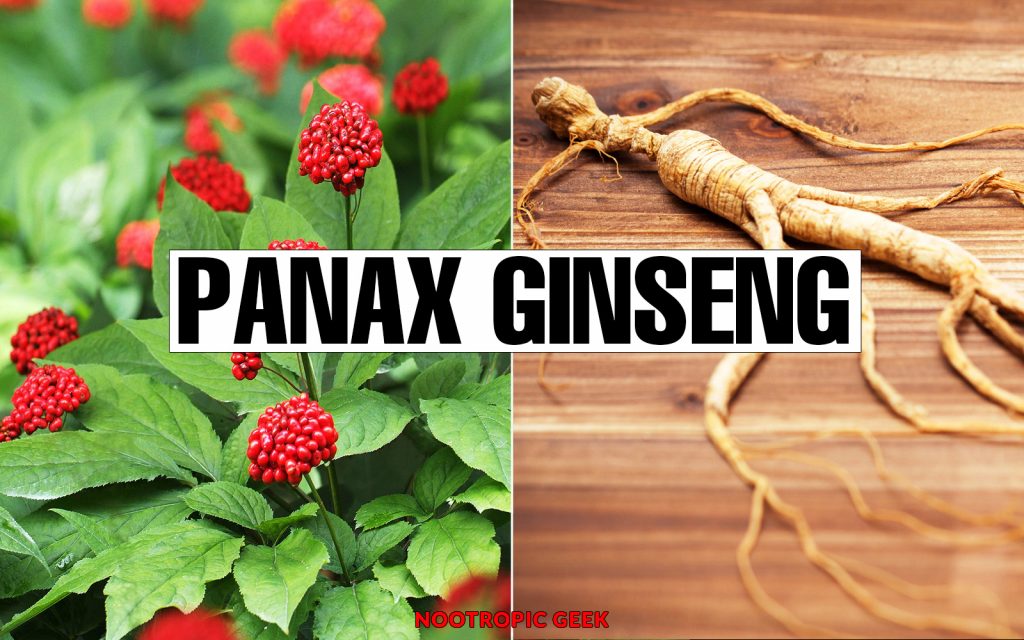
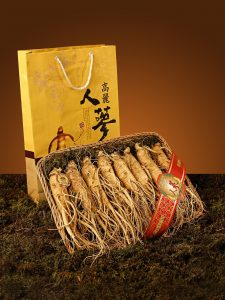
Panax ginseng, also called Asian or Korean ginseng, has been studied for cognition and fatigue. Some small trials suggest benefits on selected measures, but the results do not establish a cure-all, a reliable daily brain boost or a substitute for treatment of persistent symptoms.
Which ginseng is being discussed?
Panax ginseng is different from American ginseng (Panax quinquefolius) and from eleuthero, formerly marketed as Siberian ginseng. Red and white ginseng refer to preparation differences within Asian ginseng rather than proof of stronger cognitive action.
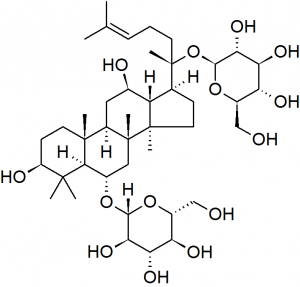
Ginsenosides are among its studied constituents. Species, processing and extract composition can change exposure. A percentage on a label is useful characterization, not a guarantee that a product matches every ginseng study.
Small studies and specific tasks
The archive described an 18-participant crossover experiment and a 27-participant acute cognitive-demand experiment. These are relevant examples of why researchers are interested, but small samples make the effect estimates uncertain. Working-memory, fatigue and mood scores should not be combined into a claim that all cognition improves.
Trials in patients with Alzheimer’s disease address a different question from healthy-adult enhancement, and a high-dose clinical study is not a self-treatment plan. NCCIH notes that many ginseng studies are small and short, with larger and longer trials needed.
Glucose and mood are not simple explanations
The original text linked ginseng’s cognitive effects to glucose regulation. A change in glucose is not itself evidence of better thinking, and it may be unwanted in someone using diabetes medicines. Likewise, an adaptogen description is a proposed framework rather than proof that the herb balances stress in every user.
A result from ginseng combined with ginkgo cannot isolate ginseng. This matters when a product cites a combination study to support a single-ingredient claim.
Safety and the practical verdict
NCCIH identifies insomnia as a common side effect and notes potential interactions, effects on blood sugar and concerns for some people with autoimmune conditions. Pregnancy and breastfeeding are not settings for assuming safety from traditional use. Discuss medicines and medical conditions with a clinician or pharmacist.
The archive’s retail dose range and strong investment recommendation have been replaced with a more specific conclusion: there is preliminary cognitive and fatigue evidence for particular preparations, with uncertainty about everyday benefit and long-term use. A commercial formula needs its own label and evidence review rather than inheriting an all-purpose ginseng endorsement.
Sources and further reading
Related reading
- Nootropics for Stress: Evidence and Practical Limits
- Are Nootropics Safe? A Guide to Evidence, Labels and Risk
Nootropic Geek is an affiliate publishing brand. This ingredient review is an editorial assessment of published evidence, not a clinical consultation or a claim of hands-on product testing. About Nootropic Geek.