Page Contents
Nicotine Review: Attention Research and Dependence Risk
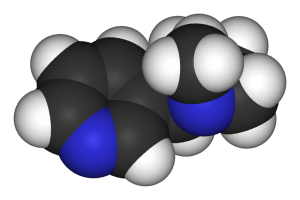
Nicotine can affect attention, but it is addictive and is not a sensible routine nootropic for someone who does not use it. Nicotine-replacement medicines have a legitimate role in helping adults stop smoking; that does not establish a recommendation to start patches, gum or vaping for productivity.
Separate nicotine from smoke without calling it harmless
Much of smoking’s severe harm comes from the toxic mixture in smoke, while nicotine is a major driver of addiction. These facts can both be true. Removing combustion does not turn nicotine into an essential brain nutrient or make initiation risk-free.
Nicotine acts on nicotinic acetylcholine receptors. A pharmacological effect on attention is not the same as improved overall judgement, durable learning or prevention of dementia. The archive’s opening suggestion that cigarettes are good once unwanted chemicals are removed was misleading and has been removed.
What cognitive experiments can show
The original article cited small experiments using patches or nasal spray and a pilot trial in people with mild cognitive impairment. The latter reported changes in some cognitive measures but not clinician-rated global improvement. That distinction should remain attached to the finding.
Results in habitual users can partly reflect relief of withdrawal, while results in nicotine-naive participants do not remove the risks of repeated use. Small, monitored studies also differ from unsupervised use over months or years. A study involving adolescents with ADHD is not a reason to give nicotine to children or teenagers.

Dependence changes the benefit–risk calculation
FDA describes nicotine as highly addictive and emphasizes risks to the developing brain. Feeling temporarily more alert is not a sufficient reason to create ongoing nicotine exposure. Product format affects delivery, but no format should be advertised here as a safe healthy-adult cognitive protocol.
For people who smoke, FDA-approved nicotine-replacement products are intended to support quitting and should be used according to their directions and professional advice where needed. Their cessation role must not be repurposed into a recommendation for nonusers.
The appropriate conclusion
The old patch-dose range and claims of long-term neuroprotection are removed. Attention experiments are scientifically interesting, but they do not establish dementia prevention or an acceptable trade-off for starting an addictive substance.
This review does not advise a current smoker to abandon an effective cessation medicine. It distinguishes two decisions: reducing the harm of existing tobacco dependence and initiating nicotine for enhancement. The evidence and risks support that distinction far more strongly than the archive’s earlier excitement about nicotine as a brain booster.

Sources and further reading
- FDA nicotine addiction and approved cessation-therapy distinction.
- Pilot nicotine trial in mild cognitive impairment; cognitive measures versus global clinical impression.
Related reading
- Are Nootropics Safe? A Guide to Evidence, Labels and Risk
- Nootropic Side Effects: Recognising and Responding to Reactions
Nootropic Geek is an affiliate publishing brand. This ingredient review is an editorial assessment of published evidence, not a clinical consultation or a claim of hands-on product testing. About Nootropic Geek.