Page Contents
Citicoline Review: Choline, Cognitive Trials and Brain-Injury Limits
Citicoline, also called CDP-choline, supplies components involved in phospholipid metabolism. Small studies have explored attention and memory, but this is not proof that it repairs brain injury, prevents cognitive decline or produces a side-effect-free improvement in every user.
What its chemistry explains
Citicoline is related to pathways that make phosphatidylcholine, an important membrane phospholipid. Its components include choline and cytidine; in humans, cytidine metabolism is relevant to uridine availability. Uridine is a nucleoside associated with RNA metabolism, not a DNA base as the old article implied.
Choline also participates in acetylcholine synthesis. These roles make citicoline scientifically interesting, but they do not show that everyone is choline deficient or that taking it automatically raises acetylcholine in a beneficial way. More substrate does not guarantee better neurotransmission.

Biomarkers and task performance are different outcomes
The archive cited small spectroscopy studies and converted changes in measured brain metabolites into precise percentages of brain energy and membrane repair. That translation was too strong. A spectroscopy signal is a surrogate measurement, not a direct count of repaired neurons or a guaranteed improvement in thinking.
Small attention studies, including work in middle-aged women, are more directly relevant to cognitive performance but still have limits of sample size, duration and population. A positive task result does not establish a universal effect on focus, energy and all forms of memory.

The brain-injury trial must be included
The large randomized COBRIT trial enrolled 1,213 people with traumatic brain injury. Citicoline did not improve the trial’s functional and cognitive outcomes compared with placebo. This result directly challenges a casual claim that citicoline can be recommended as a brain-healing supplement.
Evidence in injury or stroke patients also cannot simply be transferred to enhancement in healthy adults. The appropriate conclusion differs by question, and a plausible repair mechanism should not be used to bypass a negative clinical trial.

Products, stacks and safety
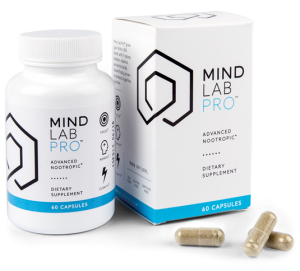
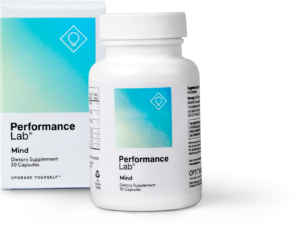
Cognizin is a branded citicoline ingredient, but a trademark does not prove that every product using it works better than other preparations. Compare the actual study material, dose and finished formula. The original product paragraphs asserted benefits for blends that were not established by ingredient research.
There is no validated rule that racetam users require citicoline to avoid brain burnout, and this review no longer gives that combination as a routine recommendation. Nor does it retain the unsupported claim that citicoline has no side effects. Medication use and neurological symptoms warrant professional review. Citicoline has a plausible biological role and limited cognitive-trial signals; those are more measured reasons for interest than promises of brain repair or an essential daily stack.

Illustrations from the original article

Sources and further reading
- COBRIT randomized trial: no demonstrated functional/cognitive benefit after traumatic brain injury.
- Original spectroscopy research; metabolite measurements must not be relabelled direct membrane repair.
Related reading
- Choline Bitartrate, Alpha-GPC and Citicoline: How to Compare
- Mind Lab Pro Review: Formula, Research and Limitations
Nootropic Geek is an affiliate publishing brand. This ingredient review is an editorial assessment of published evidence, not a clinical consultation or a claim of hands-on product testing. About Nootropic Geek.