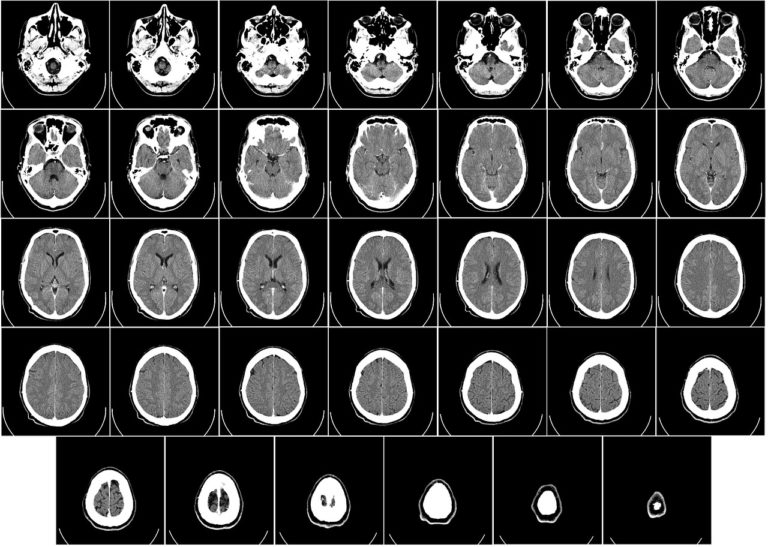
Brain fog is an informal description of mental cloudiness, slowed thinking or difficulty concentrating. It is not a single diagnosis. The same description can arise in different circumstances, so a universal clearing-the-fog stack is not a reliable answer.
Page Contents
Describe what changed
Is the problem recalling words, following a conversation, staying awake or organizing a task? When did it begin, and is it constant or intermittent? Note whether it follows illness, a medicine change, disrupted sleep or a demanding period.
These observations help a clinician understand the pattern. They do not identify a neurotransmitter level or demonstrate brain damage. The earlier article’s confident structural and chemical explanations exceeded what a symptom description can establish.
Look at context without self-diagnosing
Sleep, mood, medicines, nutrition and health conditions can all be relevant. It is useful to list them; it is not useful to select one cause from a checklist and begin treatment without assessment.
Keep a short record of timing, impact, sleep and products taken. Include over-the-counter medicines and caffeine. A specific example, such as repeatedly losing track during a familiar task, is more informative than a vague brain-health score.
Why common nootropic claims fall short
Rhodiola, citicoline, tyrosine, B vitamins, NADH, acetyl-L-carnitine and ginkgo appeared in the original list. Their mechanisms and study populations differ. None can be assumed to address every cause of mental cloudiness.
A nutrient deficiency needs appropriate assessment; extra intake is not automatically useful when levels are adequate. A stimulant may change alertness without resolving the cause. Studies in a defined disease population do not establish a generic brain-fog cure.
Practical supports
Reduce competing tasks, use reminders and allow additional time for demanding work while seeking an explanation. Where possible, protect meals and sleep. These measures can reduce practical burden, but should not be advertised as curing an unidentified condition.
Avoid repeatedly adding products to cover an unexplained symptom. It becomes harder to determine whether the symptom or the attempted remedy is responsible for a change.
When to seek help
Persistent, worsening or functionally significant symptoms deserve medical assessment. Sudden confusion, new weakness, speech difficulty or other abrupt neurological changes require urgent help.
For a more specific memory issue, see memory and recall; for attention, focus. This page helps describe a nonspecific symptom and evaluate claims, not diagnose or prescribe a brain-fog formula.