

Dopamine is a brain chemical that affects motivation, mood, movement, and focus. When dopamine signaling is off, you might notice changes in how you think, feel, and move.
The tricky part? There is no simple at-home lab test to measure your dopamine levels directly in the brain, so you need to pay attention to what your body is telling you.
Here are the most common real-world warning signs you might notice this week:
- Persistent lack of motivation to start or finish tasks, even ones you used to enjoy
- No joy from hobbies, music, food, or social activities that previously felt rewarding
- “Brain fog” and sluggish thinking, especially in the morning
- Poor focus with constant phone-checking or tab-switching, but no productive engagement
- Strong cravings for sugar, junk food, or other quick-hit rewards
- Low libido or reduced interest in intimacy
- Unexplained muscle stiffness in shoulders, neck, or arms
- New or worsening tremor, especially at rest
These symptoms are often linked to disruptions in the brain’s reward system, which is regulated by dopamine.
These symptoms are non-specific and overlap significantly with depression, anxiety, thyroid problems, sleep disorders, and nutritional deficiencies.
Think of them as clues, not a diagnosis. Many health conditions share similar patterns, so jumping to conclusions about dopamine specifically can lead you down the wrong path.
If these symptoms are strong, rapidly worsening, or affect movement (tremor, stiffness, shuffling gait), see a doctor urgently. Do not assume you simply have “low dopamine” and try to fix it with supplements alone.
What Dopamine Actually Is (Beyond the ‘Pleasure Chemical’ Myth)
You have probably heard dopamine called the “pleasure chemical” or “feel-good neurotransmitter.”
While that is partially true, it massively oversimplifies what this chemical messenger actually does in your brain and body.
Dopamine is a neurotransmitter and neuromodulator produced primarily in specific brain regions—the substantia nigra and ventral tegmental area—as well as in the adrenal glands.
These tiny production centers send dopamine signals throughout the brain to regulate everything from movement to motivation.
- Dopamine plays a critical role in: motivation and drive (“wanting” rather than pure pleasure), reinforcement and habit formation, movement coordination (linking to Parkinson’s later), attention and working memory, hormonal regulation (prolactin), sleep, and reward learning.
Here is a distinction worth understanding: the dopamine spikes you get from social media, video games, or drug use are different from the healthy tonic dopamine tone that supports motivation and mood throughout the day.
Your brain’s reward system evolved for the gradual, sustained dopamine release you get from completing a project, learning a skill, or connecting with friends—not the rapid-fire hits from endless scrolling.
Consider this example: finishing a challenging work project gives you a sense of accomplishment and sustained energy.
Doom-scrolling for two hours gives you brief micro-hits of novelty, followed by feeling drained and guilty.
Both involve dopamine, but the patterns and effects on your dopamine system are completely different.
Interestingly, fewer than 1% of brain neurons use dopamine, but these nerve cells regulate much larger networks.
This is why even small changes in dopamine production or receptor sensitivity can have surprisingly big effects on how you think, feel, and act.
Your body tightly regulates dopamine with enzymes like MAO and COMT, along with dopamine receptors (D1–D5). You cannot simply “flood” the brain with more dopamine safely—the system is designed for balance, not maximization.
Is ‘Low Dopamine’ a Real Diagnosis?
Let’s address a common misconception: “dopamine deficiency” is not a standard stand-alone diagnosis like iron deficiency anemia or vitamin D deficiency.
You will not walk into a doctor’s office, get a blood test, and receive a “low dopamine” result.
However, low dopamine signaling is absolutely central to specific illnesses.
- Parkinson’s disease is the clearest example of what true dopamine deficiency looks like: progressive death of dopamine-producing cells in the substantia nigra can reduce dopamine availability by 80-90% in the dorsal striatum before motor symptoms fully manifest. This typically appears after age 60, though early-onset forms can occur in young people and middle-aged adults.
- Dopamine naturally declines with age—research suggests approximately 30–40% decline by mid-70s—and can be affected by genetics, environmental toxins, head injuries, and chronic inflammation.
Everyday fatigue, stress, or boredom are rarely due to simple “dopamine deficiency” alone.
These experiences usually involve multiple neurotransmitters including serotonin, norepinephrine, GABA, and others.
Your brain operates as an integrated system, not a collection of independent chemicals.
- There is a significant gap between: internet wellness talk about “low dopamine” and “dopamine detox” versus how neurologists and psychiatrists think about dopamine circuits and receptors. The clinical approach focuses on patterns of symptoms, functional impairment, and ruling out other causes—not vague concepts of “depleted” dopamine from too much Netflix.
The fundamental challenge is that you cannot measure brain dopamine directly in a clinic.
An imaging test called a DaTscan can assess dopamine transporter density in specific cases (primarily suspected Parkinson’s disease), but this is not a routine screening tool.
For now, we rely on symptom patterns, medical history, and ruling out other conditions.
According to Cleveland Clinic, providers diagnose dopamine-related problems through holistic assessment rather than direct dopamine assays. Treatment for dopamine deficiency depends on identifying the underlying cause, as interventions are tailored to the specific diagnosis.
How to Tell If You Might Have Low Dopamine: Common Signs and Symptoms
The symptoms of low dopamine depend on how severely dopamine signaling is affected and which brain circuits are involved.
Someone with early Parkinson’s disease will have a different presentation than someone whose dopamine receptors are temporarily downregulated from chronic stress or poor sleep.
Here are the key signs, organized by category:
Motivational and Emotional Signs:
- Persistent lack of drive to start or finish tasks you used to care about (beyond ordinary procrastination)
- Reduced ability to feel pleasure (anhedonia) from hobbies, relationships, music, or sex
- Emotional flatness or emptiness rather than overt sadness
- Low self-initiated activity—others must “push” you to do anything
In conditions like schizophrenia, other symptoms such as anhedonia and demotivation may also occur alongside the primary signs.
Cognitive Signs:
- “Brain fog” and slow thinking, especially in the morning
- Trouble focusing on one thing; constant tab-switching, checking your phone, but no productive engagement
- Difficulty learning new information or holding details in working memory
- Slower decision-making and feeling overwhelmed by small choices
Physical and Movement Signs:
- New or worsening muscle stiffness, especially in shoulders, neck, or arms
- Resting tremor, small or cramped handwriting, shuffling steps, reduced arm swing when walking
- Fatigue and low physical energy despite adequate sleep
- Changes in posture (stooped, rigid) or facial expression becoming “masked” or less expressive
Behavioral and Addictive Patterns:
- Increased reliance on quick-hit rewards (sugar, ultra-processed food, gaming, porn, social media) to feel “anything”
- Compulsive seeking of novelty or stimulation but feeling flat or guilty afterward
- Trouble stopping behaviors that once felt fun but now feel compulsive (late-night scrolling, gambling)
Any new movement symptoms, severe mood changes, or thoughts of self-harm require prompt medical evaluation—not self-treatment with supplements.
These could indicate Parkinson’s disease, major depression, or other serious medical conditions that need professional care.
Conditions and Lifestyle Factors That Can Cause or Mimic Low Dopamine
Many medical, psychiatric, and lifestyle factors can disrupt dopamine production, receptor sensitivity, or signaling. Understanding the underlying cause is essential before trying to fix anything.
Medical and Psychiatric Conditions:
- Parkinson’s disease: caused by the loss of dopamine-producing cells in the brain, leading to classic low dopamine in movement centers and symptoms such as tremor, slowness, rigidity, and balance issues. DaTscan imaging can help diagnose Parkinson’s disease by assessing dopamine transporter levels.
- Major depressive disorder: especially “anhedonic” depression with low motivation and pleasure—dopamine hypoactivity in reward circuits contributes alongside serotonin problems
- Schizophrenia and other psychotic disorders: complex dopamine imbalance in different pathways (too much dopamine in some areas, too little in others)
- Attention deficit hyperactivity disorder (also written as deficit hyperactivity disorder ADHD): altered dopamine and norepinephrine signaling in attention and reward circuits
- Substance use disorders: cocaine addiction, methamphetamine, opioids, and alcohol all over-stimulate, then down-regulate dopamine systems with chronic drug use
- Restless legs syndrome: linked to dopamine dysfunction in the brain
Too little dopamine is associated with mood disturbances, sleep problems, and neurological conditions such as ADHD and Parkinson’s disease. However, the relationship between dopamine levels and these symptoms is complex, and not all cases of these conditions are due solely to dopamine deficiency.
Lifestyle and Metabolic Factors:
- Chronic sleep deprivation: reduced D2 receptor availability leads to daytime sleepiness and poor concentration
- Chronic stress: elevated cortisol impairs dopamine release in reward areas and can damage dopamine-producing neurons over time
- High-sugar, high fat diet and obesity: reduced D2 receptors, increased inflammation, and insulin resistance all affect dopamine neurons negatively—consuming too much saturated fat appears particularly problematic
- Sedentary lifestyle: less natural dopamine release from movement and novelty
- Certain drugs and medications: older antipsychotics, some anti-nausea drugs, and other medications that block dopamine receptors can cause symptoms mimicking low dopamine
Thyroid disorders, B12/folate deficiency, anemia, and low testosterone or estrogen can all look like “low dopamine” but involve completely different mechanisms.
These conditions are common and treatable, which is why proper medical workup matters.
Before concluding dopamine is the core issue, get basic labs done, review your medications with a healthcare provider, and have your mood and sleep properly assessed.
The treatment plan for hypothyroidism looks nothing like treatment for Parkinson’s disease, even if some symptoms overlap.
Role of Healthcare Providers in Diagnosing Dopamine Deficiency
Diagnosing dopamine deficiency is far from straightforward, and that’s where healthcare providers play a crucial role. Because symptoms of low dopamine—like lack of motivation, muscle stiffness, or mood changes—can overlap with many other health conditions, a professional evaluation is essential to pinpoint the real cause and avoid misdiagnosis.
When you visit a healthcare provider with concerns about dopamine deficiency, they’ll start by taking a thorough medical history and discussing your symptoms in detail.
They’ll look for patterns such as persistent low mood, changes in movement, or cognitive difficulties that might suggest issues with dopamine production or dopamine receptors.
A physical examination can help identify signs like muscle stiffness or tremors, which are often seen in conditions like Parkinson’s disease, where dopamine levels are significantly reduced.
To get a clearer picture, your provider may order diagnostic tests.
While there’s no simple blood test for brain dopamine levels, certain imaging tests—like dopamine transporter scans—can help assess dopamine activity in specific cases, especially if Parkinson’s disease or restless legs syndrome is suspected.
Blood work may also be used to rule out other causes of your symptoms, such as thyroid problems or vitamin deficiencies, which can affect dopamine and other neurotransmitters.
Healthcare providers also consider your overall mental health, since dopamine deficiency can contribute to or mimic conditions like depression and attention deficit hyperactivity disorder (ADHD).
They’ll assess how your symptoms impact your daily life and may evaluate other neurotransmitters, such as serotonin and norepinephrine, to get a full picture of your brain health.
If low dopamine is suspected, your provider will develop a personalized treatment plan.
This might include recommending regular exercise, a diet rich in amino acids to support dopamine production, and ensuring you get enough sleep—all proven ways to naturally boost dopamine levels.
In some cases, medications like dopamine agonists may be prescribed to stimulate dopamine receptors, especially for conditions like Parkinson’s disease or restless legs syndrome.
Supplements such as vitamin D may also be suggested to support overall brain health, but it’s important to follow your provider’s guidance, as supplements and medications can interact with each other or with other health conditions.
Ultimately, working with a healthcare provider ensures that any plan to increase dopamine levels is safe, effective, and tailored to your unique needs.
Their expertise is vital for distinguishing dopamine deficiency from other mental health conditions, monitoring your progress, and adjusting your treatment as needed. By partnering with a professional, you can address the underlying causes of low dopamine, improve your mood and motivation, and support your long-term mental and physical well-being.
How to Increase Dopamine Naturally (Evidence-Backed Approaches)
The goal is not endless dopamine spikes but restoring healthy, stable dopamine tone and receptor sensitivity over weeks and months.
Quick fixes tend to backfire; sustainable habits build lasting brain health.
- Physical activity: Regular aerobic exercise (brisk walking 30–40 minutes most days, cycling, swimming) increases dopamine release and receptor density over time. Human imaging studies from 2015–2022 show that regular exercise can boost dopamine levels in the striatum by 20-40% acutely and promote neurogenesis via BDNF. This is one of the most reliable ways to improve mood and motivation naturally.
- Sleep: Aim for 7–9 hours nightly, going to bed and waking at consistent times. Getting enough sleep matters because chronic sleep loss reduces D2 receptors and worsens attention, impulse control, and emotional responses. Poor sleep creates a vicious cycle where low dopamine makes you feel tired, so you seek stimulants, which further disrupts sleep.
- Diet: Include high-protein foods rich in L-tyrosine—the amino acid precursor to dopamine. Good sources include turkey, chicken, eggs, Greek yogurt, lentils, soy, pumpkin seeds, and other foods like almonds and avocados. Emphasize a whole-food pattern with plenty of colorful vegetables, fruit like bananas and berries, and healthy fats (olive oil, nuts, fatty fish). Reduce ultra-processed foods high in sugar and saturated fat that overstimulate, then blunt dopamine circuits. Gut health also matters—consuming probiotics may indirectly support dopamine production via the gut-brain axis.
- Stress management: Techniques with evidence include mindfulness meditation, CBT-style reframing, yoga, and breathing exercises. Lowering chronic stress hormones preserves dopamine neurons and supports healthier dopamine signaling in reward and prefrontal areas. Even brief cold exposure (like cold showers) can transiently spike dopamine activity by up to 250% and improve mood.
- Meaningful rewards and novelty: Set small, achievable goals (25-minute focus blocks) with non-food rewards. Schedule new, intrinsically interesting activities—learning an instrument, a language, or a skill—rather than only passive consumption. This leverages reward prediction errors to sustain healthy dopamine firing patterns.
- Social connection and music: Data shows that listening to loved music can increase dopamine in the nucleus accumbens by about 9%. Positive social interaction also elevates dopamine in reward circuits. Weekly habits like band practice, choir, dance class, or game night beat one-off extreme “dopamine detox” challenges that rarely stick.
Natural strategies are foundational but not a replacement for medical treatment in conditions like Parkinson’s disease, major depression, or psychosis.
These approaches work best as part of a comprehensive treatment plan, not as standalone cures.
Supplements, Medications, and Nootropics That Influence Dopamine
When lifestyle changes are not enough—or when medical conditions require it—various supplements and medications can affect dopamine.
Understanding the categories helps you make informed decisions.
Prescription Medications:
- L dopa (levodopa): the mainstay treatment for Parkinson’s disease, converted into dopamine in the brain—this directly addresses the dopamine deficiency in Parkinson’s
- Dopamine agonists (pramipexole, ropinirole, rotigotine): stimulate dopamine receptors directly, used for Parkinson’s and restless legs syndrome, though they carry risk of impulse control disorders in 10-20% of users
- Stimulants for ADHD (methylphenidate, amphetamine mixtures): increase dopamine and norepinephrine signaling
- Atypical antipsychotics: modulate dopamine (often reducing it in some pathways while sparing others), used when there is too much dopamine activity in psychotic disorders
Nutritional Supplements:
- Tyrosine: a dopamine precursor that may support cognition under stress and sleep deprivation (typical doses 500-2000mg)
- Vitamins and cofactors: B6, B9, B12, vitamin D, and magnesium are all needed for dopamine synthesis and metabolism—without adequate cofactors, your body cannot efficiently produce dopamine
- Probiotics: selected Lactobacillus and Bifidobacterium strains may indirectly affect dopamine via the gut-brain axis, though more research is needed
- Caution with Mucuna pruriens: this contains natural L-DOPA and can raise dopamine 20-50% in animal studies, but high doses can cause side effects and interact with other medications
Nootropics Overview:
- Nootropics are compounds or formulations designed to enhance cognitive function, motivation, and brain resilience
- The best formulations target dopamine gently and indirectly (precursors, cofactors, neuroprotective herbs) rather than forcing huge spikes that lead to crashes
Always talk to a healthcare provider if you have mood disorders, take psychiatric meds, have heart disease, or are pregnant/breastfeeding before adding dopamine-active supplements.
What helps one person may cause problems for another depending on their physical health status and what other neurotransmitters are involved.
Nootropics That Support Healthy Dopamine – Why a Stacked Formula Often Works Best
Rather than taking one ingredient in isolation, many people find better results with a thoughtfully designed “stack”—multiple complementary ingredients at studied doses working together.
- The logic behind a stack: combine several complementary ingredients to support dopamine production, receptor health, and overall brain function while avoiding extreme stimulation or dependency associated with high-dose single agents.
Key nootropic ingredient types that influence dopamine:
- Precursors and amino acids (L-tyrosine, N-acetyl-L-tyrosine): provide raw material for dopamine synthesis, especially useful under stress
- Cofactors (B6, folate, B12, vitamin C, magnesium): enzymes need these to make and process dopamine efficiently
- Adaptogens (Rhodiola rosea, ashwagandha): lower stress and indirectly improve dopamine signaling by reducing cortisol
- Phospholipids and neuroprotective compounds (citicoline/CDP-choline, phosphatidylserine, lion’s mane): support membrane health, synaptic plasticity, and long-term brain resilience
What to look for in a high-quality nootropic:
- Uses clinically relevant, transparent doses
- Avoids proprietary blends that hide ingredient amounts
- Is stimulant-free or uses minimal caffeine so you can combine with coffee safely
- Is third-party tested and free from heavy metals and banned substances
A well-designed stack compared to DIY supplement mixing:
- Easier to dose consistently without measuring multiple powders
- Less risk of overshooting or creating unbalanced megadoses
- Usually more cost-effective than buying 8–10 single ingredients separately
For readers looking for a comprehensive, research-driven option, Mind Lab Pro is an example of a nootropic designed to support multiple neurotransmitter systems including dopamine, without acting like a harsh stimulant.
How Mind Lab Pro May Help Support Dopamine, Motivation, and Mental Clarity
Mind Lab Pro is a multi-ingredient, stimulant-free nootropic formula designed to support overall brain performance, including healthy dopamine function.
It is not a drug or a cure for medical dopamine deficiency—it is a supplement that may help optimize mental well being when used alongside healthy lifestyle habits.
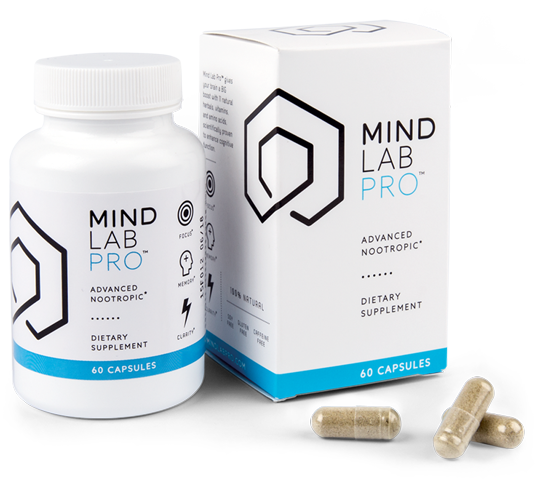
Key ingredients mapped to dopamine-related benefits:
- L-tyrosine (as a premium form like N-acetyl-L-tyrosine, 175mg): supplies dopamine’s amino acid precursor during stress, intense focus, or sleep loss—particularly useful when you need enough dopamine to perform but your body is depleted
- B-vitamins (B6, B9, B12): support enzymes that synthesize dopamine and maintain homocysteine within a healthy range
- Citicoline/CDP-choline (250mg) and phosphatidylserine (100mg): support membrane fluidity, synaptic function, and improved signaling in prefrontal attention/motivation circuits
- Lion’s mane mushroom: promotes nerve growth factor (NGF) and long-term neuronal health, indirectly stabilizing neurotransmitter systems
- Rhodiola rosea (50mg, 3% rosavins): reduces perceived stress and fatigue, supporting more balanced dopamine activity by inhibiting COMT and MAO enzymes that break down dopamine
How Mind Lab Pro differs from stimulants:
- Contains no caffeine or amphetamine-like compounds
- Aims for smoother mental energy, focus, and motivation without a crash
- Less likely to disrupt sleep when taken as directed
Who might reasonably consider Mind Lab Pro:
- Healthy adults experiencing mild motivation dips, brain fog, or focus issues from stress, heavy workloads, or aging
- Knowledge workers, students, or creatives wanting long-term cognitive support rather than just short-term stimulation
What Mind Lab Pro is not:
- Not a substitute for levodopa in Parkinson’s disease
- Not a stand-alone treatment for major depression, bipolar disorder, psychosis, or severe ADHD
- Not a replacement for proper medical assessment and lifestyle changes (sleep, diet, exercise)
Practical use notes:
- Typically used daily for at least 30–60 days to assess full effects
- Best combined with consistent sleep, exercise, and a nutrient-dense diet
- Speak with a healthcare provider if taking psychiatric meds, blood thinners, or if pregnant/breastfeeding
For readers who have ruled out major medical causes with their doctor and want to support dopamine, motivation, and cognitive performance, Mind Lab Pro represents a strong, research-driven option compared with random single-ingredient “dopamine boosters.”
User data from 2024-2025 reports average improvements of 12% in focus, 14% in processing speed, and 28% in mood scores—though individual results vary based on baseline status and consistency.
When to Seek Professional Help – and How to Build a Long-Term Dopamine-Healthy Lifestyle
Occasional low motivation is completely normal.
A bad week, a stressful project, poor sleep—these can all temporarily affect how you feel without indicating any serious dopamine problem. But persistent or severe symptoms require professional input, not just lifestyle tweaks and supplements.
Red-flag situations requiring prompt medical or psychiatric evaluation:
- New tremor, stiffness, shuffling gait, or balance problems
- Persistent inability to feel pleasure, suicidal thoughts, or self-harm
- Hallucinations, delusions, or severe paranoia
- Rapid personality change, cognitive decline, or major sleep disruption (acting out dreams violently)
If any of these apply, please see a doctor. How dopamine deficiency diagnosed depends on your specific symptoms and history—there is no one-size-fits-all approach.
Treatment for low levels of dopamine varies enormously depending on whether you are dealing with Parkinson’s disease, depression, addictive behaviours, or temporary burnout.
Building a dopamine-supportive lifestyle over months and years:
- Anchor habits: regular movement, fixed sleep schedule, whole-food diet, social connection
- Structured work blocks with tech boundaries to prevent constant micro-dopamine hits from notifications
- Periodic digital “reset days” focused on offline activities (nature walks, in-person meetups, creative projects) rather than extreme dopamine detox rules that rarely stick
View dopamine as one part of a resilient brain ecosystem.
The pleasure systems in your brain work alongside attention networks, stress responses, and other systems.
The most sustainable improvements come from combining medical care (if needed), psychotherapy, lifestyle strategy, and optional nootropic support like Mind Lab Pro for best long-term outcomes.
If you recognize several symptoms from this article, start by booking a medical check-up, cleaning up sleep and diet for the next 30 days, and—if appropriate—trialing a high-quality nootropic stack such as Mind Lab Pro to support your dopamine, motivation, and mental clarity.
Remember: understanding how to tell if you have low dopamine is just the starting point.
The real transformation comes from taking consistent action to boost dopamine levels naturally while addressing any underlying health conditions with proper medical guidance.
Whether you are trying to increase dopamine levels for better focus at work, combat the effects of chronic stress, or simply feel more alive and motivated, the path forward combines smart habits, professional support when needed, and evidence-based tools that support your brain health for the long haul.