Page Contents
Valerian Review: Sleep Evidence and Next-Day Effects
Valerian (Valeriana officinalis) is commonly used in sleep products, but clinical evidence for sleep problems is inconsistent. It is not established as a cognitive enhancer, and a small study finding no impairment cannot guarantee that every user will avoid drowsiness or next-day effects.
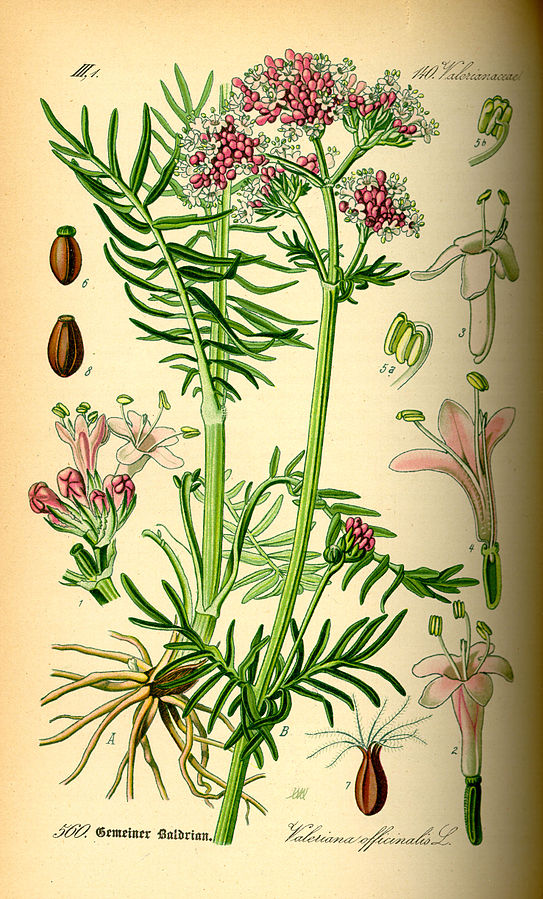
What part of the plant is used?
Valerian preparations commonly use roots and rhizomes. Teas, tinctures and extracts can differ in composition. Valerenic-acid content may help characterize a preparation, but it does not prove that a product matches all the clinical trials.
The archive’s discussion of a GABA-related mechanism provides a hypothesis, not a confirmed explanation for every reported sleep effect. An herb’s strong smell and long history also say nothing about whether a specific preparation is clinically effective.
Mixed products cannot isolate valerian
One study in the older article used a combination of valerian, St. John’s wort and passionflower and measured EEG activity. A result from that blend cannot be attributed to valerian alone. EEG changes also do not demonstrate treatment of depression or restorative sleep.
Another small acute experiment found no significant cognitive effect in healthy volunteers. This does not establish universal freedom from impairment, particularly with higher exposure, repeated use or combinations. Studies in selected menopausal or sleep-disturbed populations answer different questions from daytime enhancement.

Insomnia evidence remains uncertain
NCCIH describes inconsistent findings and notes that the American Academy of Sleep Medicine recommended against valerian for chronic insomnia in its 2017 guideline. The earlier title’s promise that insomnia exits was therefore too definite.
Sleep quality questionnaires, time to fall asleep and next-day functioning are distinct outcomes. A favourable result on one measure does not demonstrate better learning or productivity the following day. Persistent insomnia warrants assessment rather than repeatedly increasing a supplement dose.

Safety and use decisions
Valerian may cause mental dullness, headache, gastrointestinal symptoms or vivid dreams, and long-term safety is uncertain. Avoid combining it with alcohol or other sedating substances without professional guidance. Medication use, pregnancy and breastfeeding need specific review.
The archive’s daytime and nighttime dosing schedule is removed. It should not be used as a universal sleep protocol or as assurance that driving remains safe. The practical verdict is an incompletely established sleep intervention with possible unwanted effects, not a proven nootropic. A sleep blend containing valerian needs assessment as a whole, including the other sedating ingredients.
Sources and further reading
- NCCIH inconsistent sleep evidence, guideline context, adverse effects and limited long-term safety.
- NIH preparation differences and limitations of the sleep-trial literature.
Related reading
- Sleep Supplements: Evidence, Insomnia and Product Claims
- Nootropic Side Effects: Recognising and Responding to Reactions
Nootropic Geek is an affiliate publishing brand. This ingredient review is an editorial assessment of published evidence, not a clinical consultation or a claim of hands-on product testing. About Nootropic Geek.