Page Contents
Vitamin B12 Review: Deficiency, Cognition and Supplement Forms
Vitamin B12 supports normal blood-cell formation and nervous-system function. Deficiency can have serious neurological consequences, but B12 is not an established cognitive or energy booster for people who already have enough. The most useful question is whether intake or absorption is inadequate, not which product promises the largest brain boost.
Who may need closer attention to B12
B12 occurs naturally in animal-derived foods and is also supplied through fortified foods and supplements. People eating little or no animal food need a reliable source. Older age, absorption problems and some medicines can also affect B12 status.
Fatigue, memory concerns and tingling have many possible causes. They should not be used to self-diagnose B12 deficiency from an online checklist. Neurological effects can occur without obvious anemia, which is one reason persistent symptoms deserve assessment rather than simply adding a multivitamin.

Deficiency treatment is not the same as enhancement
NIH’s evidence summary does not support routine B12 supplementation as a way to improve cognitive function in older adults irrespective of status. Trials of B vitamins may reduce homocysteine without improving cognition. A marker change and a meaningful clinical outcome are different findings.
The archive discussed brain volume, folate and B-vitamin combinations. Those studies cannot establish that isolated B12 prevents dementia or that every person benefits from a high-dose nootropic blend. Correcting a confirmed deficiency remains a different clinical situation and should not be confused with those broader marketing claims.

Methylcobalamin versus cyanocobalamin
These are different forms of B12. A label describing methylcobalamin as active or premium does not, by itself, establish superior cognitive outcomes. The appropriate form and route depend on the reason for supplementation and the person’s ability to absorb it.
Large label doses partly reflect absorption characteristics; they are not a scale of brain-boosting potency. Injections are a medical intervention for particular circumstances, not proof of a stronger wellness effect. This review does not replace a clinician’s plan for deficiency or recommend changing prescribed treatment.

How to evaluate a B12-containing nootropic
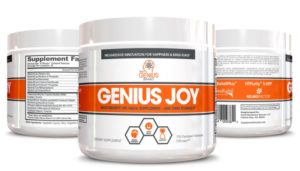
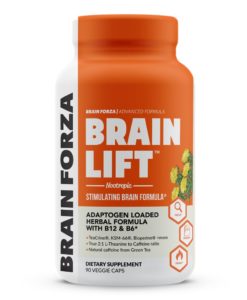
First identify the nutritional purpose. Then consider the whole product: caffeine or other active ingredients may explain an immediate sensation that is attributed to the vitamin. A high daily-value percentage or a testimonial cannot isolate B12’s effect.
B12 has no established tolerable upper intake level, but that should not be interpreted as evidence that unnecessary megadoses improve performance. Medication use and suspected absorption problems deserve a professional discussion. The practical verdict is strong support for adequate nutrition and appropriate deficiency care, with weak support for the archive’s broad energy, mood and memory promises in adequately nourished users.

Illustrations from the original article


Sources and further reading
Related reading
- Vitamin B6 Review: Brain Function, Deficiency and Excess Risk
- Nootropics for Memory: Recall, Learning and Evidence
Nootropic Geek is an affiliate publishing brand. This ingredient review is an editorial assessment of published evidence, not a clinical consultation or a claim of hands-on product testing. About Nootropic Geek.