
Page Contents
Acetyl-L-Carnitine Review: Cognitive Trials and Metabolic Context
Acetyl-L-carnitine (ALCAR) is a form of carnitine studied in cognitive and other clinical settings. Carnitine participates in energy metabolism, but that does not establish a general brain-energy benefit from supplementation. Evidence in older patients cannot simply be applied to healthy younger users.
Carnitine forms are not interchangeable
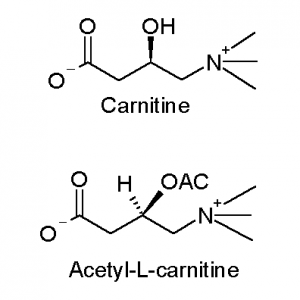
Carnitine-related compounds help handle fatty-acid metabolism. ALCAR, L-carnitine and other formulations differ, and a study of one should not be cited as a direct test of another. The word acetyl also does not itself establish a superior cognitive outcome.
Most healthy people can synthesize carnitine. Its normal metabolic role therefore does not mean that tiredness or brain fog identifies a deficiency or that a higher supplement dose will improve ATP production in a useful way.
The clinical cognition literature is mixed
The archive discussed older trials and a meta-analysis involving people with cognitive decline. Some reported favourable measures, but findings across the literature are not sufficiently consistent to establish routine use for dementia. NIH’s carnitine review treats the clinical question with more caution than the original anti-aging verdict.
A slower decline on selected measures is different from reversing a disease, and a compliant-subgroup analysis may differ from the result in all randomized participants. Those distinctions matter when interpreting the older year-long study described in the archive.

Mood and mitochondrial combinations
Small studies in older adults with depression do not establish ALCAR as an antidepressant for the general population. Likewise, pairing it with alpha-lipoic acid because both have mitochondrial research does not demonstrate clinical synergy. A blend needs evidence for the blend.
The earlier claim that younger users may receive invisible long-term protection is not a testable conclusion from a short review. Long-term preventive claims require long-term clinical outcomes rather than a plausible mechanism or absence of an immediate sensation.

Dose, tolerability and the verdict
The previous dose range is no longer presented as a recommendation. Studies in clinical populations used particular preparations under defined conditions; those amounts do not establish a healthy-adult nootropic regimen. Carnitine supplements can cause gastrointestinal symptoms and other adverse effects, and medical history and medications can affect suitability.
People with persistent cognitive symptoms should seek assessment instead of assuming a need for carnitine. The practical conclusion is a legitimate metabolic role and a mixed clinical research history, with insufficient evidence for reliable enhancement in healthy adults. Product-specific claims should be assessed separately from the ingredient’s biochemical reputation.

Sources and further reading
Related reading
- Alpha-Lipoic Acid Review: Metabolic Biology and Cognitive Evidence
- Nootropics for Memory: Recall, Learning and Evidence
Nootropic Geek is an affiliate publishing brand. This ingredient review is an editorial assessment of published evidence, not a clinical consultation or a claim of hands-on product testing. About Nootropic Geek.