Page Contents
L-Theanine Review: Relaxation, Attention and Caffeine Evidence
L-theanine is an amino acid found in tea. Its most interesting research concerns responses to stress and performance on attention tasks, sometimes in combination with caffeine. That is a narrower claim than saying it reliably produces relaxed focus for everyone, prevents cognitive decline or replaces treatment for anxiety or insomnia.
What tea, supplements and brainwaves tell us
Tea and an isolated L-theanine capsule are different exposures: tea also contains caffeine and other compounds, and its composition changes with the leaves and preparation. A fixed milligram value for every cup is misleading. Supplements make the declared amount easier to identify, but a larger amount is not automatically more useful.
The original article discussed alpha activity measured by EEG. That remains an interesting research endpoint, but an EEG change is not itself evidence of better creativity, memory, meditation or long-term brain protection. Proposed effects on glutamate, GABA and other signalling pathways should likewise be treated as mechanisms under investigation rather than a guarantee of a particular mental state.

What the human studies actually measured
A small acute stress experiment involving 12 participants examined responses to a laboratory task. It offers a preliminary signal about stress responses, not an established treatment for an anxiety disorder. Small samples and short observation periods make it difficult to know who will benefit outside the laboratory.
A randomized study of L-theanine with caffeine reported improvements on selected attention and distraction measures. The finding supports studying the combination, but it does not show that theanine alone explains the effect, that every attention task improves or that a particular supplement ratio is universally optimal. Caffeine tolerance, prior caffeine use and the testing task all matter.
The earlier article also treated research on green-tea preparations as proof that isolated theanine prevents cognitive decline. A mixed tea preparation cannot isolate the contribution of theanine, and that prevention claim has been removed.

Dose and safety: study amounts are not a prescription
Published studies have used different theanine amounts and caffeine combinations. There is no established optimal dose for everyday cognitive enhancement, and the earlier recommendation that everyone aim for a 2:1 ratio was too definite. A label serving is not proof that the serving will work.
Adding theanine does not cancel caffeine’s effects on sleep, heart rate or anxiety. Review all sources of caffeine in a stack. Pregnancy, breastfeeding, use in children, medication interactions and prolonged use need more safety evidence than a small short-term trial can provide; discuss these circumstances with a clinician or pharmacist.
How to interpret a product containing theanine
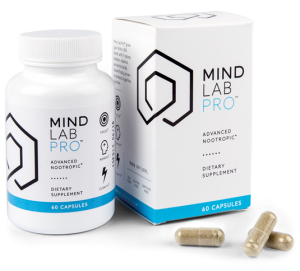
A product can contain theanine without having been tested as a complete formula. The branded ingredient, its amount, the other ingredients and the actual study preparation need separate scrutiny. The former blanket endorsement of Mind Lab Pro and claims of personal testing are not evidence that its current formula delivers the same outcomes.
Our assessment is that theanine has preliminary human evidence worth discussing for stress responses and selected attention tasks, particularly alongside caffeine. It is an optional ingredient with uncertain individual benefit, not an essential component of every nootropic stack.
Sources and further reading
- Small acute stress experiment; limited sample and laboratory endpoints.
- Randomized theanine–caffeine study; selected attention outcomes, not universal cognitive enhancement.
Related reading
- Mind Lab Pro Review: Formula, Research and Limitations
- Are Nootropics Safe? A Guide to Evidence, Labels and Risk
Nootropic Geek is an affiliate publishing brand. This ingredient review is an editorial assessment of published evidence, not a clinical consultation or a claim of hands-on product testing. About Nootropic Geek.