Page Contents
Celastrus Paniculatus Review: Animal Research and Human Evidence Gaps
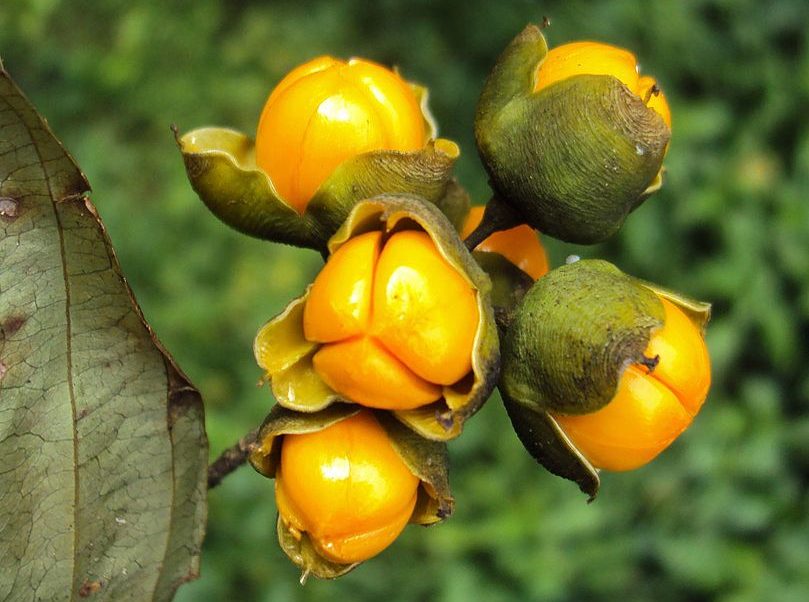
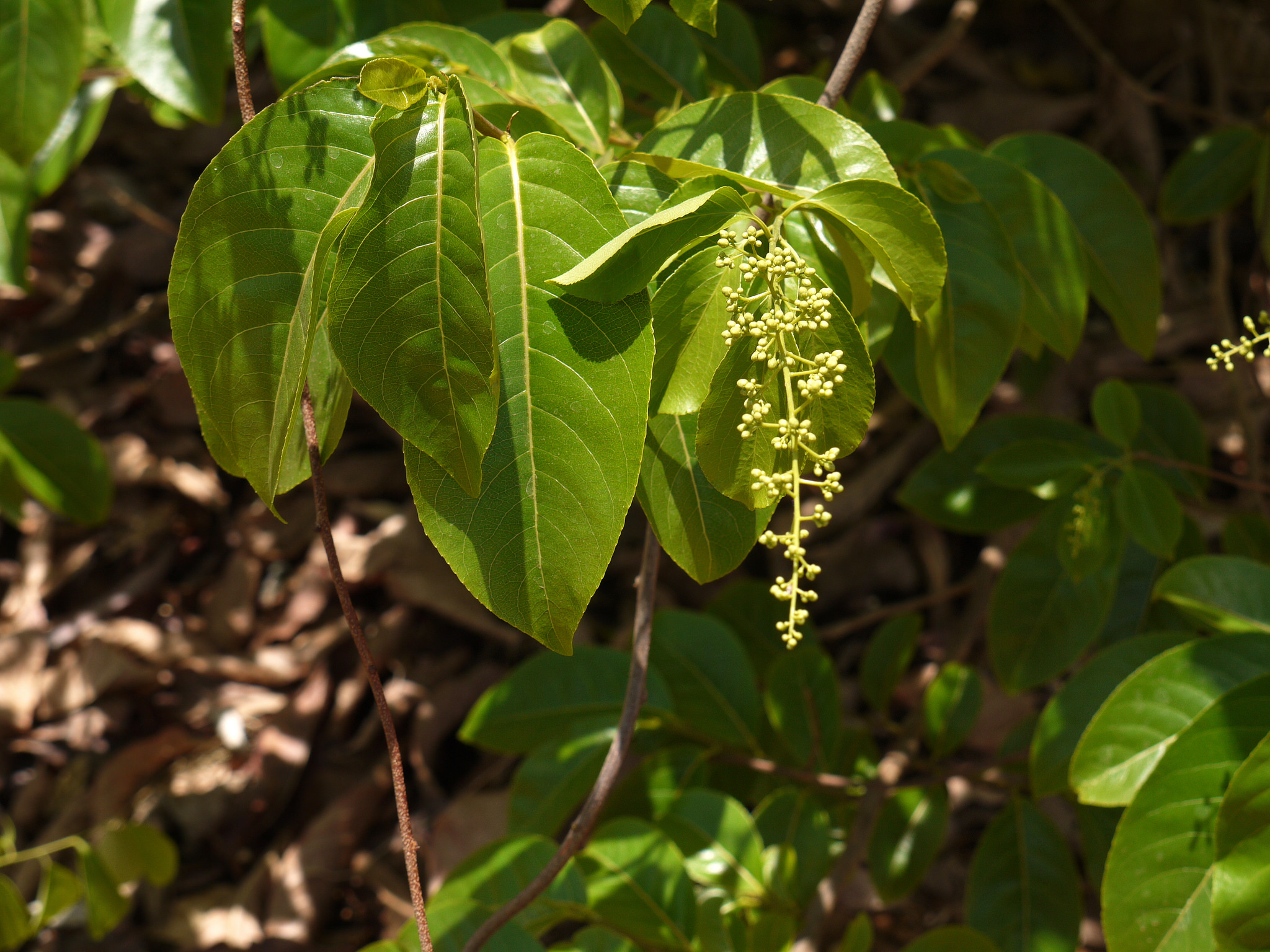
Celastrus paniculatus has a traditional reputation as an intellect plant, and seed preparations have been studied in animals. That history does not establish a memory benefit in people. The key limitation is the lack of adequate human cognitive and safety evidence to support the archive’s enthusiastic recommendation.
Seed, oil and extract are different materials
The original article focused on seeds and their oil. A whole seed, seed oil and aqueous or solvent extract differ in constituents and concentration. They cannot be compared simply by counting seeds or matching the same weight.
Traditional names can describe cultural use without functioning as clinical claims. Calling a plant an intellect plant does not prove that it improves intelligence, and reported use over generations does not establish a safe dose for a modern concentrated product.
The memory studies were in rodents
One cited experiment used aqueous seed extract in rats and mice and assessed learning or induced memory impairment. The reported cholinergic activity is a mechanistic lead, not a human result. The animal amounts and routes cannot be converted into a simple recommendation for a reader.
Another study used seed oil in stressed mice and measured antidepressant-like behaviour. A forced-swim or tail-suspension result is not proof that a substance treats human depression. A comparison with a reference medicine in an animal test also does not establish clinical equivalence.
Stress and neuroprotection require the same caution
The archive discussed a stressed-rat model of cognitive impairment and laboratory antioxidant effects. These can help researchers decide what to test next, but they cannot show that supplements protect a healthy person’s brain or reverse a neurological condition.
The distinction is particularly important because the earlier conclusion called Celastrus a possible premier natural nootropic despite acknowledging the absence of adequate clinical evidence. Uncertainty should constrain a recommendation, not become a reason for a more ambitious one.

Why there is no seed-count protocol here
The old suggestion to begin with ten seeds and increase to twenty is removed. Seed size, composition and preparation vary, and there is no validated human nootropic dose in the cited research. Monitoring how someone feels does not detect every possible adverse effect.
Safety in pregnancy, breastfeeding, long-term use and medication combinations is insufficiently characterized. The evidence gap supports caution rather than self-escalation. Celastrus is a preliminary research topic whose distinct value lies in explaining the animal findings and their limits; it should not be marketed here as an established memory or mood intervention.

Sources and further reading
- Primary rodent study of aqueous Celastrus seed extract; no human dose established.
- Original mouse seed-oil antidepressant-like study.
- Original stressed-rat cognitive study; preclinical only.
Related reading
- Nootropics for Memory: Recall, Learning and Evidence
- Are Nootropics Safe? A Guide to Evidence, Labels and Risk
Nootropic Geek is an affiliate publishing brand. This ingredient review is an editorial assessment of published evidence, not a clinical consultation or a claim of hands-on product testing. About Nootropic Geek.