Page Contents
5-HTP Review: Serotonin Claims, Evidence and Interactions
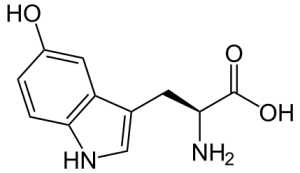
5-hydroxytryptophan (5-HTP) is a precursor in serotonin synthesis and is often derived commercially from Griffonia simplicifolia. Its biochemical role does not establish that low mood means low serotonin or that taking a precursor is a reliable way to treat depression, anxiety or poor sleep.
A precursor is not a diagnosis
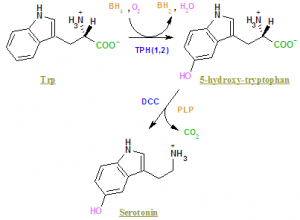
The body converts tryptophan to 5-HTP and then to serotonin through regulated pathways. Serotonin has functions throughout the body, not simply a single happiness switch in the brain. More precursor is not automatically better mood, and symptoms alone cannot identify a neurotransmitter shortage.
The archive also attributed serotonin support to tyrosine. Tyrosine is associated with catecholamine pathways, not the direct serotonin-precursor pathway described here. Combining the two does not create a validated method of balancing brain chemicals.
Older small trials are not a complete treatment evidence base
The original discussion included anxiety, tension headaches, panic challenges and recurrent depression. These are different conditions and study designs. A reduction in laboratory-provoked panic does not establish everyday anxiety treatment, and a small older relapse study does not justify self-treatment of bipolar disorder.
A randomized comparison with fluoxetine is a relevant primary research example, but a positive comparison in a selected patient group cannot establish broad equivalence to prescribed antidepressants. Replication, placebo controls, adverse effects and long-term outcomes remain important. There is no established healthy-adult cognitive-enhancement benefit from these mood studies.
Serotonergic combinations need professional review
5-HTP can contribute to serotonin toxicity when combined with medicines or supplements that increase serotonergic activity. Do not build a stack around antidepressants, St. John’s wort or other serotonergic agents without a prescriber or pharmacist reviewing it. Agitation, fever, marked tremor or muscle rigidity after a combination needs urgent assessment.
The earlier recommendation to add B6 to amplify serotonin production is removed. A cofactor’s biological role does not validate the safety or usefulness of deliberately increasing a pathway, and high supplemental B6 carries its own risks.
No symptom-based dosing plan
The archive’s dose ranges are no longer presented as recommendations. Product serving sizes and research amounts do not establish an appropriate plan for a person with low mood, panic, insomnia or medication use. Pregnancy, breastfeeding and long-term use also lack the reassurance implied by a natural label.
Persistent mood symptoms should be assessed rather than managed by alternating precursor supplements according to how a day feels. The evidence here supports a cautious discussion of an incompletely established intervention, not the claim that 5-HTP restores happy, balanced brain chemistry.

Sources and further reading
- Primary randomized comparison of 5-HTP and fluoxetine; selected clinical population.
- Original panic-challenge study; laboratory endpoint does not establish routine treatment.
- Poison Control clinical guidance on serotonin toxicity and 5-HTP interactions.
Related reading
- St. John’s Wort Review: Depression Evidence and Major Interactions
- Vitamin B6 Review: Brain Function, Deficiency and Excess Risk
Nootropic Geek is an affiliate publishing brand. This ingredient review is an editorial assessment of published evidence, not a clinical consultation or a claim of hands-on product testing. About Nootropic Geek.