Page Contents
Glutamine Review: Brain Metabolism Versus Cognitive Enhancement
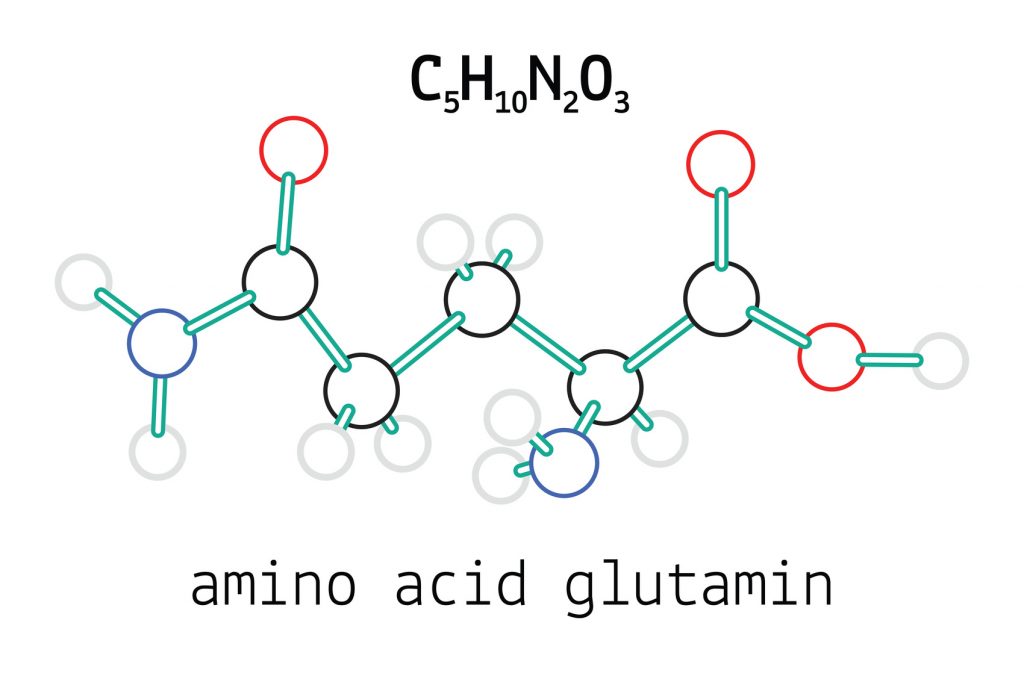
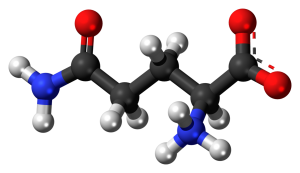
Glutamine is abundant in the body and participates in protein metabolism and nitrogen transport. It also has a role in the glutamate–glutamine cycle. These physiological facts do not establish that an oral glutamine supplement improves memory or produces a desirable balance of stimulation and relaxation.
Glutamine, glutamate and GABA are not interchangeable
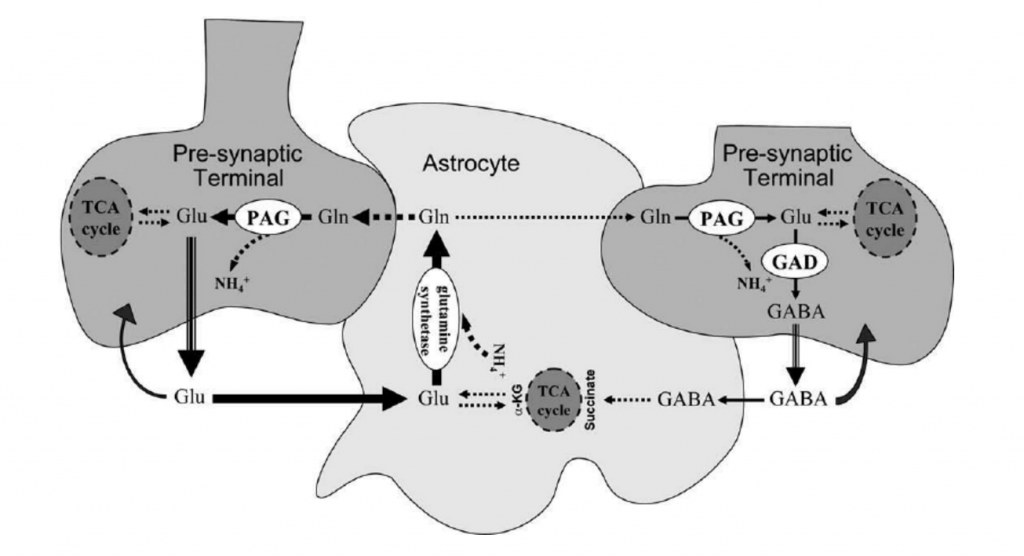
Glutamine is related metabolically to glutamate, and glutamate can be used to make GABA. These compounds have different roles, and their concentrations and movements are tightly regulated. Swallowing more glutamine does not allow someone to choose between better learning and better sleep.
The archive’s spectroscopy discussion concerned metabolic flux in the brain. Observing a normal pathway is different from testing whether a supplement improves cognition. That distinction is especially important when a nutrient is already supplied by food and synthesized by the body.

Specialized studies have limited relevance to everyday use
The older article described glutamine plus probiotics in clinical nutrition for brain-injury patients. A combined feeding intervention in an intensive-care setting cannot establish that a healthy user benefits from standalone glutamine. Infection rates and length of hospital stay are also not memory outcomes.
An exercise study involved an alanyl-glutamine dipeptide in rehydration conditions. The preparation, hydration comparator and exercise stress all matter. It should not be converted into a broad claim that ordinary glutamine improves everyday reaction time or mental performance.
Sports popularity does not establish a nootropic effect
NIH’s exercise-supplement review finds little support for glutamine alone as a performance enhancer. Its popularity in bodybuilding products is therefore not independent evidence of improved cognition. Benefits of adequate protein or rehydration cannot automatically be assigned to one amino acid in a mixture.
The archive’s statement that glutamine is basic nutrition was closer to the evidence than its claims about maintaining cognition in athletes. Nutritional importance and a need for extra supplemental intake are separate questions.
Dose and safety need context
There is no established nootropic dose. The previous broad gram range could misleadingly look like a self-experimentation protocol and has been removed. Research on ammonia handling in disease should not be simplified into a claim that every ordinary supplement dose is neurotoxic, nor should it be used to declare high doses harmless.
People with significant liver, kidney or other medical conditions need clinical advice about amino-acid supplementation. Specialized hospital use is not a model for home treatment. The practical verdict is that glutamine’s normal biological role is well worth understanding, but the evidence reviewed here does not justify taking it specifically to boost a healthy brain.

Sources and further reading
- NIH review of glutamine supplementation and limited evidence for exercise performance.
- Original alanyl-glutamine exercise/rehydration study; distinct intervention and context.
Related reading
- Are Nootropics Safe? A Guide to Evidence, Labels and Risk
- Nootropics for Memory: Recall, Learning and Evidence
Nootropic Geek is an affiliate publishing brand. This ingredient review is an editorial assessment of published evidence, not a clinical consultation or a claim of hands-on product testing. About Nootropic Geek.