Page Contents
Taurine Review: Energy Drinks, Brain Biology and Human Evidence
Taurine is an amino sulfonic acid involved in several normal physiological processes. Its presence in energy drinks does not make it the source of their stimulation, and animal work does not establish that taurine supplements improve human cognition or slow brain aging.
Neither a simple stimulant nor a proven sedative
The archive correctly questioned the assumption that taurine provides caffeine-like stimulation. However, it then went too far in describing taurine as a dependable calming or sedating nootropic. Receptor and animal findings do not establish the subjective effect of a typical oral dose in a person.
Taurine has roles in cell-volume regulation, bile-acid conjugation and other processes. Normal biological importance is separate from evidence that a healthy adult benefits from additional supplementation.

Energy-drink findings need ingredient separation
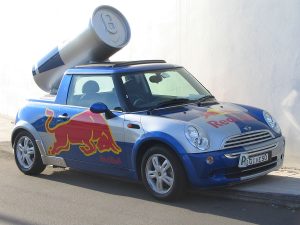
A study discussed in the original article examined caffeine, taurine and glucose separately and in combination. It is more informative than simply asking whether an energy drink feels stimulating, because a mixed drink cannot isolate taurine. Caffeine exposure and prior caffeine abstinence can also affect the results.
Even a factorial experiment only answers the question for its doses, participants and tasks. It does not prove that taurine cancels caffeine’s effects or makes an energy drink safe. Total caffeine remains relevant to sleep, anxiety and other adverse effects.
Aging and neurogenesis claims remain uncertain
The archive cited mouse neurogenesis and animal anxiety work. These findings are research leads, not evidence that supplements generate new neurons or treat anxiety in humans. A 2023 animal-focused aging study prompted further interest, but its authors called for human trials.
NIH researchers subsequently found that circulating taurine did not show a consistent age-related decline across the examined human and animal cohorts. That challenges a simplistic taurine-deficiency explanation of aging. Neither observational blood levels nor animal lifespan findings establish human cognitive benefit from supplementation.
A restrained practical verdict
The former advice to take taurine as needed for anxiety and pair it with tyrosine is removed. There is no validated cognitive or anxiety dose established by the evidence reviewed here. Short safety observations do not answer every question about long-term use, medical conditions or combinations.
A supplement containing taurine should be assessed by its complete formula, especially its stimulant content. Taurine is a legitimate biological research topic, but describing it as either an energy switch or a reliable tranquilizer overstates what is known. Human cognitive outcomes need direct testing.
Sources and further reading
- Original caffeine/taurine/glucose component study.
- Animal aging research; calls for human trials.
- NIH 2025 research report challenges a uniform age-related taurine-decline story.
Related reading
- Is Caffeine a Nootropic? Attention Benefits and Trade-Offs
- Are Nootropics Safe? A Guide to Evidence, Labels and Risk
Nootropic Geek is an affiliate publishing brand. This ingredient review is an editorial assessment of published evidence, not a clinical consultation or a claim of hands-on product testing. About Nootropic Geek.